


Constant Watery Eyes: Could Tear Drainage Be Blocked?

MBBS(S'pore), MMed(Ophth), FRCS(Edin), FAMS Ophthalmologist
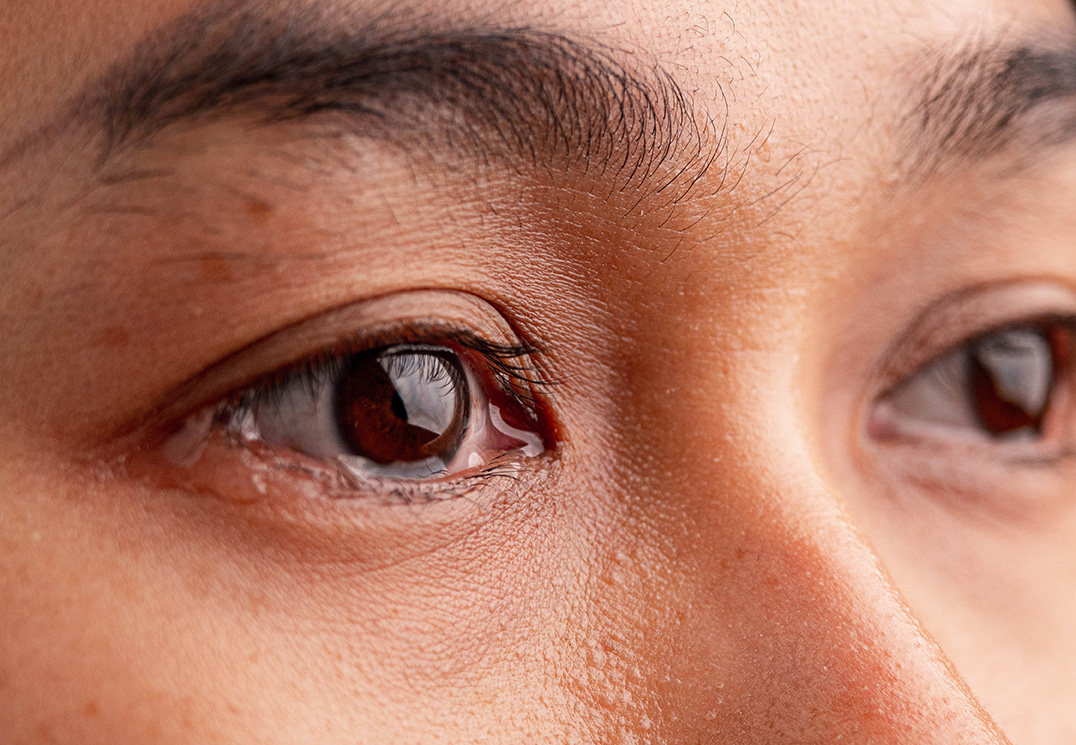
Watery eyes are often associated with temporary irritation such as allergies, wind or dust. However, when tearing persists despite the absence of an obvious trigger, it may be a sign that tears are not draining properly rather than that the eyes are producing too many tears.
A blocked tear drainage system is a common cause of persistent watering, particularly in adults. Although it may seem like a minor inconvenience at first, untreated tear drainage problems can increase the risk of recurrent eye infections and affect everyday activities such as reading, driving and using digital devices. Understanding the possible causes of ongoing tearing can help you recognise when it is time to seek specialist assessment.
How Does the Tear Drainage System Work?
Tears play an important role in maintaining healthy eyes by keeping the surface lubricated, washing away debris and helping protect against infection. After spreading across the eye with each blink, tears normally drain through tiny openings called puncta, located at the inner corners of the upper and lower eyelids.
From there, tears pass through small drainage channels into the tear sac before flowing into the nose through the nasolacrimal duct. This is why your nose may become runny when you cry.
If any part of this drainage pathway becomes narrowed or blocked, tears are unable to drain efficiently. Instead, they overflow onto the cheeks, resulting in persistent tearing or constantly watery eyes.
What Causes a Blocked Tear Drainage System?
Several conditions can interfere with normal tear drainage. The underlying cause often determines the most appropriate treatment.
Age-Related Narrowing
As people age, the tear drainage passages may gradually become narrower. This slows tear flow and increases the likelihood of persistent watering, even without infection or injury.
Chronic Inflammation or Infection
Repeated inflammation affecting the eyelids, tear ducts or surrounding tissues may cause swelling and scarring within the drainage system. Over time, this can obstruct the normal passage of tears.
Injury or Previous Surgery
Trauma involving the nose, eyelids or surrounding facial structures can damage the tear drainage pathway. Previous facial or nasal surgery may also alter the anatomy, affecting how tears drain.
Eyelid Position Changes
Certain eyelid conditions, particularly those associated with ageing, may prevent the puncta from sitting correctly against the eye. Even when the tear ducts remain open, poor eyelid positioning can interfere with normal tear drainage.
How Is a Blocked Tear Drainage Problem Diagnosed?

Diagnosis begins with a detailed discussion of your symptoms, medical history and any previous eye conditions or facial surgery.
Depending on your symptoms, additional investigations may include:
Tear Drainage Testing
A small amount of dye may be placed on the surface of the eye to observe how well tears drain through the normal pathway. Irrigation using sterile saline may also help identify the location of any blockage.
Examination of the Tear Drainage Pathway
In some cases, specialised instruments or imaging studies may be used to assess the tear drainage system more closely, particularly if surgery is being considered or the exact site of obstruction remains unclear.
What Treatment Options Are Available?
Following a comprehensive assessment, your specialist will recommend the most appropriate treatment to restore normal tear drainage and relieve symptoms.
Treating Underlying Eye Conditions
Not all watery eyes are caused by a blocked tear duct. If excessive tearing results from dry eye syndrome, allergies, blepharitis or another source of eye irritation, treatment is directed at managing the underlying condition. As the eye surface becomes healthier, reflex tearing often improves.
Procedures for Tear Drainage Problems
When a physical blockage prevents tears from draining normally, a procedure may be recommended to restore the tear drainage pathway. Depending on the location and severity of the obstruction, treatment may include dilation of the tear drainage opening, insertion of silicone stents or oculoplastic surgery. For complete tear duct obstruction, dacryocystorhinostomy (DCR) may be performed to create a new drainage pathway around the blockage. Your specialist will recommend the most appropriate approach based on your symptoms and examination findings.
Correcting Eyelid Problems
If watery eyes are caused by eyelids that turn inwards, outwards or no longer sit properly against the eye, surgery to correct the eyelid position may be recommended. Restoring normal eyelid function helps the tear drainage openings remain in the correct position, allowing tears to drain more effectively.
Getting to the Root Cause of Persistent Tearing
Persistent watery eyes are not always caused by excessive tear production. In many cases, the problem lies within the tear drainage system, where narrowing or blockage prevents tears from draining normally. Identifying the underlying cause allows treatment to be tailored appropriately, helping relieve symptoms while reducing the risk of ongoing irritation or infection.
At the Eye & Aesthetic Surgeons in Singapore, treatment is guided by Dr Elaine Chee Wen Ling, who provides comprehensive assessment and management for patients experiencing persistent watery eyes and tear drainage disorders. If you have ongoing tearing or symptoms that continue despite initial treatment, arrange a consultation to discuss the most appropriate treatment options today.
Frequently Asked Questions About Blocked Tear Ducts
Can a blocked tear duct clear on its own?

Some mild cases related to temporary inflammation may improve once the underlying swelling settles. However, structural narrowing or complete blockage usually requires specialist assessment to determine whether a procedure is needed to restore normal tear drainage.
Can dry eye syndrome also cause watery eyes?
Will delaying treatment make a blocked tear duct worse?
Meet Our Doctor

MBBS (Singapore), MMed (Ophth), FRCS (Edin), FAMS
Ophthalmologist
Partner and Senior Consultant
Dr Elaine Chee Wen Ling is a partner and senior consultant specialising in oculoplastic and reconstructive surgery. She completed advanced fellowship training in Singapore and further subspecialty training in Seoul, South Korea, and is also a visiting consultant at the Singapore National Eye Centre.