


When Is Ptosis More Than a Cosmetic Concern?

MBBS(S'pore), MMed(Ophth), FRCS(Edin), FAMS Ophthalmologist
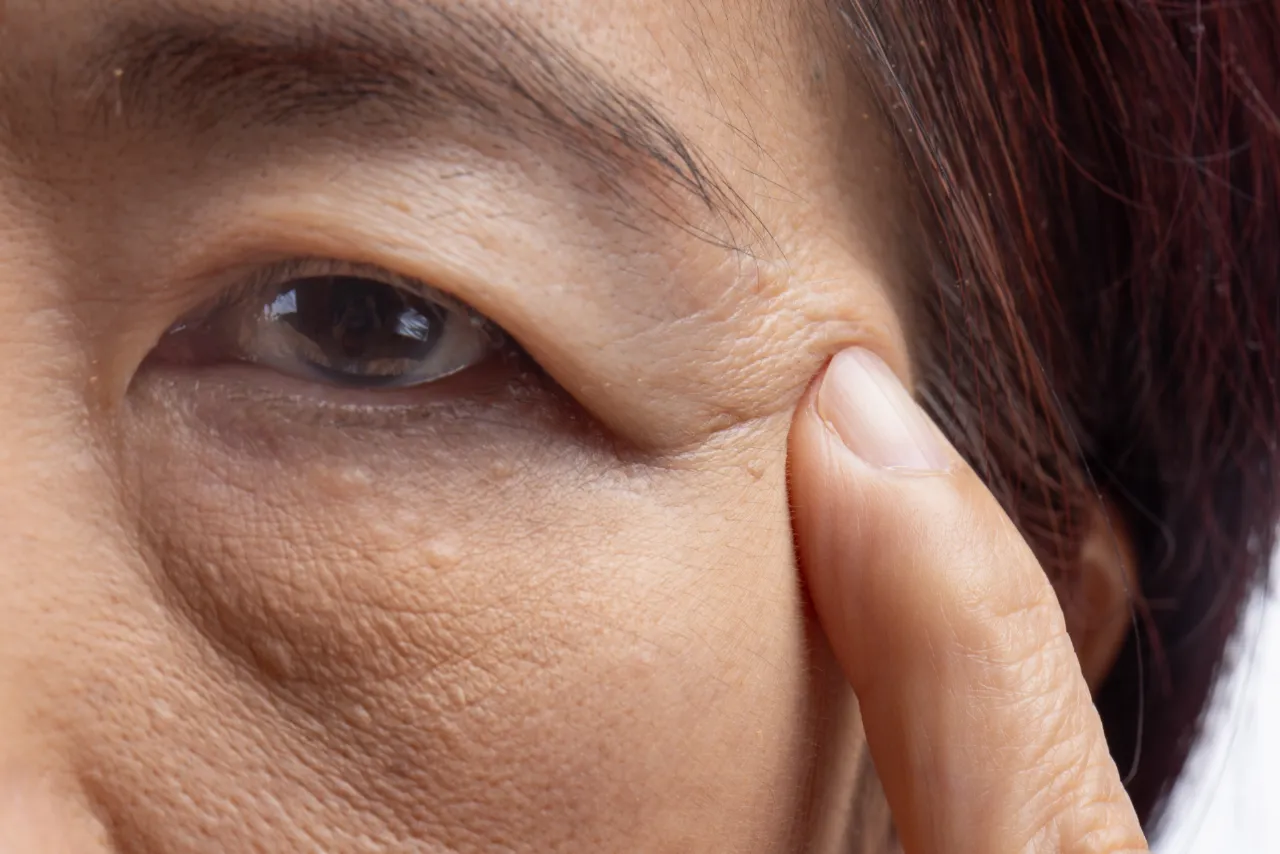
Ptosis, also known as a drooping upper eyelid, is often first noticed when it causes visible changes to the position and symmetry of the eyes. One eyelid may sit lower than the other, creating noticeable asymmetry or making the eyes look more tired than usual. For some people, this change remains mainly an aesthetic concern. For others, the drooping eyelid may begin to interfere with vision, cause eye strain or make everyday activities such as reading and screen use more difficult.
As these difficulties become more frequent, even routine tasks may require additional effort, affecting visual comfort and quality of life. This makes it important to recognise when ptosis has progressed beyond an aesthetic concern and when further assessment may be appropriate.
How Can Ptosis Affect Everyday Activities?
Ptosis can make routine activities more difficult when the drooping eyelid obstructs part of the visual field or requires additional effort to keep the eye open. These difficulties may become more noticeable during prolonged activities or as eyelid drooping progresses, and can be among the signs you may need droopy eyelid surgery.
Reading and Screen Work Require More Effort
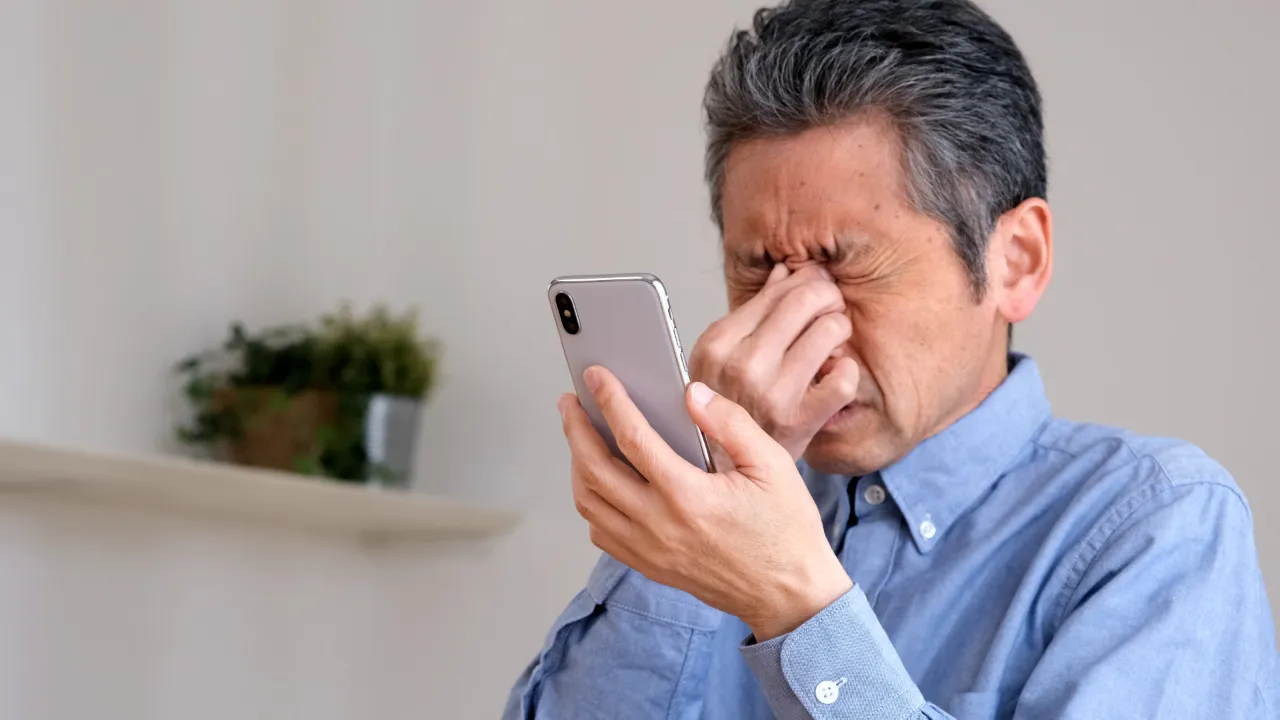
Reading, computer work and prolonged device use may become more tiring when a drooping eyelid makes it difficult to keep the eye comfortably open. You may find yourself repeatedly raising your eyebrows to compensate, experiencing heaviness around the eyes or needing more frequent breaks. These difficulties can occur even when your eyesight remains clear.
Changes in Head Position to Improve Vision
A person with more significant ptosis may tilt their head backwards to see beneath the lowered eyelid, particularly when trying to view objects above eye level. This position can help bring more of the visual field into view without requiring the eyelid itself to open further. If it becomes a frequent compensatory habit, it may also contribute to neck discomfort.
Driving and Navigating Your Surroundings Become More Difficult
Ptosis that restricts the upper visual field may make it harder to notice traffic signals, overhead signs or obstacles when moving through unfamiliar surroundings. You may need to adjust your head position more frequently to see around the lowered eyelid, making activities such as driving or navigating stairs more demanding.
How Do Ophthalmologists Assess Whether Ptosis Needs Treatment?
An ophthalmologist examines the eyelids, checks for possible underlying causes and assesses whether the drooping interferes with vision. These findings help establish the extent of the ptosis and whether correction may be appropriate.
Identifying the Cause of Eyelid Drooping
The ophthalmologist may ask when the drooping first appeared, whether it has worsened over time and if there is a history of eye surgery or injury. The examination may also include checking eye movements and pupil responses to identify possible underlying conditions.
This assessment helps distinguish true ptosis from similar-looking conditions such as dermatochalasis, where excess upper-eyelid skin creates a heavy or drooping appearance even when the eyelid margin remains normally positioned.
Measuring Eyelid Position and Muscle Function
The ophthalmologist measures the position of the upper eyelid relative to the pupil to establish the degree of drooping. They also assess how well the levator muscle, which raises the upper eyelid, functions when looking upwards and downwards.
These measurements help determine how effectively the eyelid can be lifted and provide important information when considering the suitability of ptosis correction.
Assessing Visual Field Obstruction
Visual field testing may be performed to determine whether the lowered eyelid obstructs part of the patient's vision, particularly in the upper visual field. In some cases, the test may be repeated with the eyelid temporarily lifted to assess whether its position is responsible for the restriction.
The ophthalmologist also considers reported difficulties with activities such as reading, driving or prolonged screen use when evaluating the functional impact of ptosis.
How Is Ptosis Correction in Singapore Performed?
Ptosis can be treated through oculoplastic surgery, which aims to lift the drooping upper eyelid, improve its position and restore a clearer field of vision.
During surgery, the ophthalmologist may tighten or adjust the muscle responsible for raising the upper eyelid, helping it open more effectively. If this muscle is too weak, another technique may be used to allow the forehead muscles to help lift the eyelid.
The procedure is selected based on the patient's eyelid condition, with the aim of improving both vision and the appearance of the eyes.
Seek Treatment for Ptosis With Dr Elaine Chee Wen Ling
When a drooping eyelid begins to interfere with activities you once carried out comfortably, the effects can become increasingly frustrating. Whether you are struggling with visual obstruction, persistent eye strain or changes in your appearance, having your concerns properly assessed can help you understand what can be done to improve your comfort and quality of life.
At Eye & Aesthetic Surgeons, patients can receive assessment and management for droopy eyelids and other oculoplastic conditions. Dr Elaine Chee Wen Ling takes a patient-centred approach to ptosis care, considering both the functional difficulties and aesthetic concerns that matter to each individual. She takes time to understand how the condition affects your daily life, to explain the available treatment options and to address any questions you may have about ptosis correction.
If drooping eyelids are affecting your vision, comfort or confidence, make an appointment to discuss your concerns and the possible next steps towards improving your eyelid function.
FAQs About the Functional Effects of Ptosis
Why can ptosis make reading difficult even when eyesight is clear?

Why might ptosis become more noticeable towards the end of the day?
Can the effects of ptosis extend beyond the eyes?
Meet Our Doctor

MBBS (Singapore), MMed (Ophth), FRCS (Edin), FAMS
Ophthalmologist
Partner and Senior Consultant
Dr Elaine Chee Wen Ling is a partner and senior consultant at Eye and Retina Surgeons and a visiting consultant at the Singapore National Eye Centre. She specialises in oculoplastic and reconstructive surgery, having completed advanced fellowship training in Singapore and further subspecialty training in Seoul, South Korea under renowned oculoplastic surgeons. Alongside her clinical practice, Dr Chee has held leadership roles in clinical governance and has been actively involved in training ophthalmology residents and medical students.